
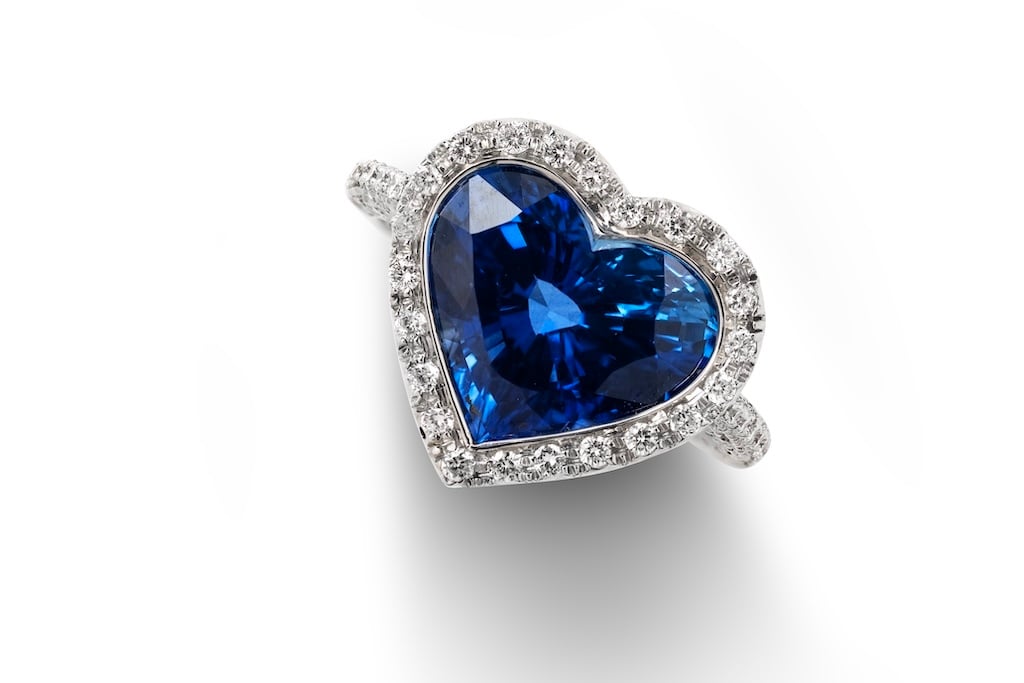
sapphire
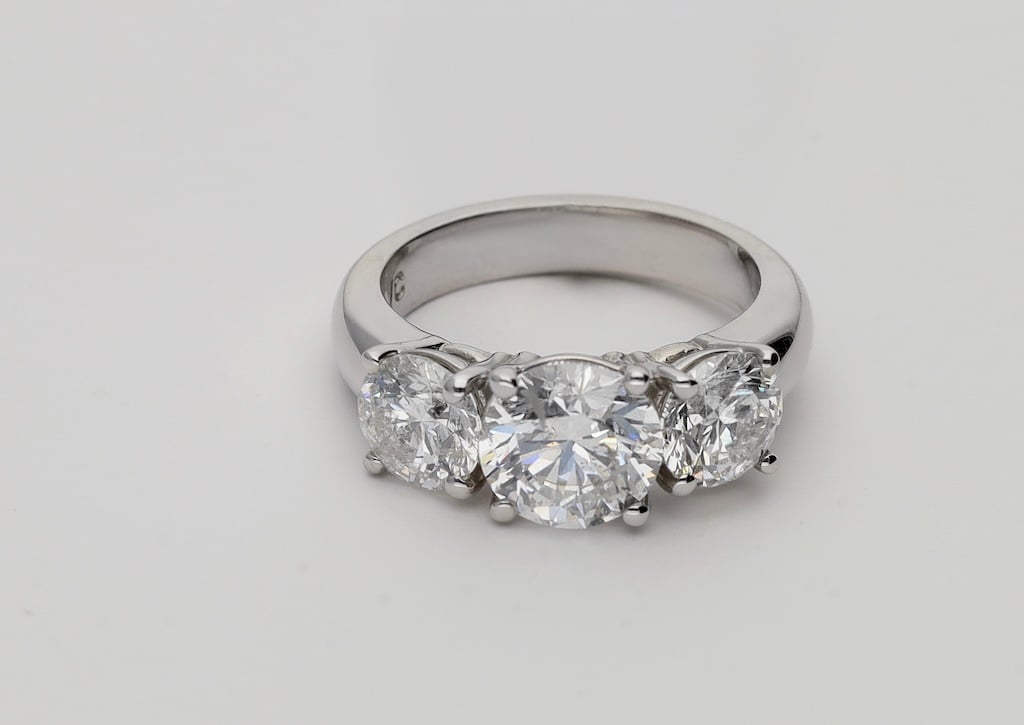

A diamond is a naturally occurring gemstone made of pure carbon arranged in a crystal lattice, making it the hardest natural material on Earth. Known for its brilliance, durability, and rarity, diamonds have been treasured for centuries as symbols of love, strength, and enduring value. Today, diamonds are most commonly used in fine jewelry, especially engagement rings, due to their unmatched sparkle and long-term wearability.
| Attribute | Details |
|---|---|
|
Color Range |
Colorless to yellow, brown; fancy colors include blue, pink, green |
|
Mohs Hardness |
10 (hardest natural gemstone) |
|
Composition |
Pure carbon |
|
Origins |
Africa, Russia, Canada, Australia |
|
Birthstone |
April |
|
Symbolism |
Love, commitment, strength |
|
Common Treatments |
Laser drilling, fracture filling |
|
Lab-Grown Available |
Yes |
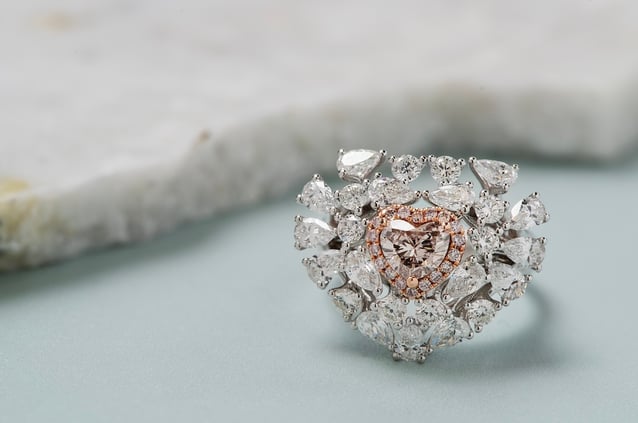
Diamonds have been prized for over 2,000 years, with early discoveries traced to India, where they were believed to possess protective and mystical powers. Ancient cultures viewed diamonds as symbols of invincibility, derived from the Greek word adamas, meaning “unbreakable.”
During the Middle Ages, diamonds became associated with royalty and divine favor. Their modern association with romance emerged in the 20th century, cementing diamonds as the ultimate symbol of everlasting love and commitment.
Diamonds are formed deep within the Earth’s mantle, over 1 to 3 billion years, under extreme heat and pressure. Carbon atoms crystallize into a tightly bonded structure, which is later carried closer to the surface by volcanic eruptions known as kimberlite pipes.
This long and rare formation process contributes significantly to a diamond’s value and scarcity.
Diamonds are graded on a scale from D (colorless) to Z (light yellow or brown). Colorless diamonds are typically the most valuable, though fancy color diamonds—such as blue or pink—can command extraordinary prices.
Clarity refers to internal inclusions or surface blemishes. Grades range from Flawless (FL) to Included (I). Many inclusions are microscopic and invisible to the naked eye.
Cut determines how well a diamond reflects light. An excellent cut can make a diamond appear larger and more brilliant than a poorly cut stone of higher carat weight.
Carat measures weight, not size. As carat weight increases, diamonds become exponentially rarer and more expensive.
Formed naturally over billions of years and mined from the Earth.
Some diamonds undergo treatments to improve appearance, such as laser drilling or fracture filling. These treatments can affect long-term value.
Created in controlled environments, lab-grown diamonds have the same physical and chemical properties as natural diamonds but typically cost less and appeal to buyers seeking alternative sourcing options.
The price of a diamond varies widely depending on quality and characteristics.
Lower-quality diamonds: $1,000–$3,000 per carat
Mid-range diamonds: $4,000–$8,000 per carat
High-quality diamonds: $10,000+ per carat
Rare fancy colors: Can exceed $100,000 per carat
Factors influencing value include cut quality, color grade, clarity, carat weight, and whether the diamond is natural or lab-grown.
When purchasing a diamond, consider the following checklist:
Choose cut quality first for maximum brilliance
Look for independent certification (GIA, IGI)
Balance color and clarity for best value
Decide between natural and lab-grown options
Buy from a trusted jeweler with transparent policies
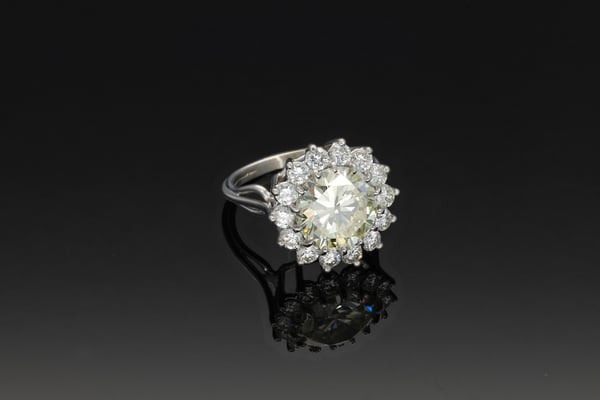
Diamonds are used across a wide range of fine jewelry styles:
Engagement rings
Wedding bands
Stud earrings
Tennis bracelets
Pendant necklaces
Investment-grade loose stones
Their durability makes diamonds ideal for everyday wear.
Diamonds are an excellent choice for:
Engagement and wedding jewelry
Daily-wear rings
Buyers seeking long-term durability
Those who value tradition and symbolism
Collectors interested in rare or investment-grade stones
Are diamonds the hardest gemstone?
Yes. Diamonds rank 10 on the Mohs hardness scale, making them the hardest natural gemstone.
Do diamonds hold their value?
High-quality natural diamonds tend to retain value better than lower-quality or heavily treated stones.
Are lab-grown diamonds real?
Yes. Lab-grown diamonds are chemically and physically identical to natural diamonds.
Can diamonds chip or break?
While extremely hard, diamonds can chip if struck at the wrong angle.
Are diamonds good for everyday wear?
Yes. Their durability makes them ideal for daily jewelry.
Diamonds remain the world’s most iconic gemstone for a reason. With unmatched hardness, timeless beauty, and deep symbolic meaning, diamonds continue to represent love, strength, and permanence across cultures and generations. Whether you’re purchasing an engagement ring or investing in fine jewelry, understanding how diamonds are formed, graded, and valued ensures a confident and informed decision.